
Steel plants run three shifts with operators ranging from compact to tall frames. A poorly specified operator seat creates fatigue, knee strikes against monitors, and lateral boxes that cannot open fully beside the chair. Trunsin engineers operator seats as integrated control console assemblies — validated with dimensioned 3D review and operator verification video, not catalog adjusters alone.
Browse Trunsin control console platforms such as EOS and TIA, or contact sales@trunsin.com for engineering review.
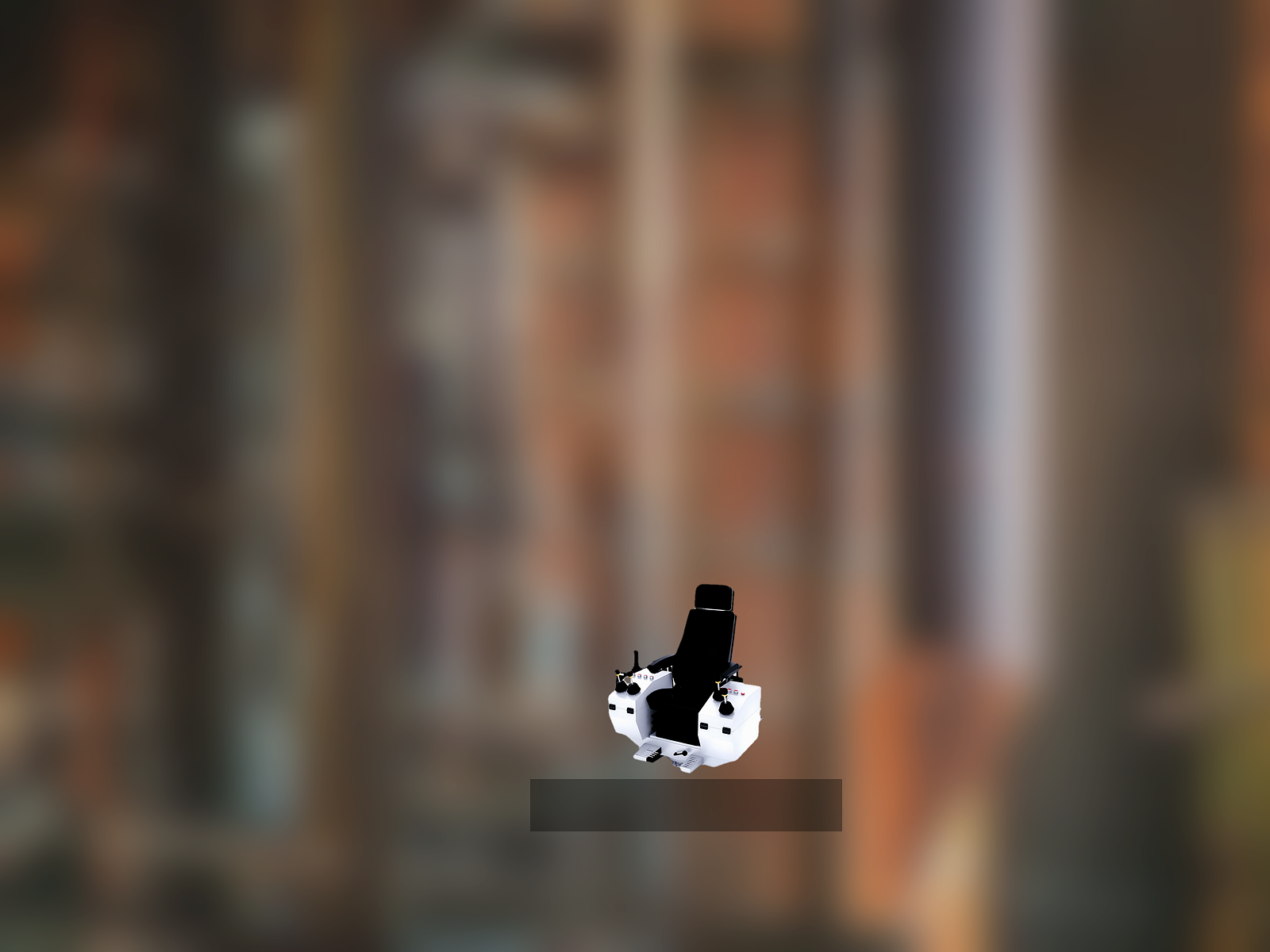
Why steel-plant ergonomics differ from office seating
Office chairs optimize for desk height and carpeted floors. An industrial operator seat must coexist with PLC enclosures, monitor masts, rotation locks, and decades of vibration. Reach to controls, hand rests, and box lids must work when the operator wears boots and layered PPE.
Anthropometric validation beyond CAD manikins
Theoretical manikins miss knee clearance against open-frame touch monitors, hand rest placement when lateral box lids swing upward, and leg comfort after six hours on shift. Trunsin validates at least two operator weight/height brackets with seated verification video before metal is cut.
Spacing decisions that only make sense on integrated builds
Inter-box distance, lateral box depth, foot-holder height, and monitor bracket geometry are coupled variables. Adjusting one without 3D release risks knee strikes, lid interference, and foot rest load path changes — see our operator seat upgrade case study for the integrated methodology.
How we validate
Dimensioned 3D review against reference drawings plus short verification videos: box opening clearance, reclining lever reach, foot-rest comfort, and monitor rotation without snagging. Two anthropometric brackets minimum. Findings land on gap record before batch gate.
Specification checklist
| Item | What to confirm | Evidence |
|---|---|---|
| Seat height vs foot rest | Leg fatigue on long shifts | Adjust foot-holder; validate range |
| Lateral box depth | Knee strike, lid swing | Matched to reference drawings |
| Inter-box spacing | Full lid opening | Widened when drawings require |
| Monitor bracket | Tall operators vs screen | Reinforced arm; deburred fasteners |
| Hand rest | Chair vs lateral box | Evaluated in 3D gate |
Frequently asked questions
What anthropometric data should we send?
Target height/weight ranges, PPE constraints, shift length, and plant reference seat dimensions. Photos of existing pulpits accelerate gap analysis.
Can ergonomics be validated remotely?
Yes — dimensioned 3D reviews and operator verification videos are standard; supplemented by your reference drawings.
Why not use office chair lumbar adjusters?
When lateral enclosures constrain geometry, lid swing and knee clearance dominate — not lumbar knobs.
How does steel-plant ergonomics differ from crane cabins?
Steel pulpits emphasize particulate exposure and multi-shift anthropometrics; crane cabins add vibration duty and compact layout — both need integrated box geometry.
Related resources
- Operator seat upgrade case study
- Control console products
- EOS control console platform
- TIA control console platform
- Industrial joystick catalog
- Online industrial joystick configurator
Start your operator seat project
- Share application drawings or photos of your existing pulpit
- Review control console platforms as baselines
- Contact sales@trunsin.com for engineering review