
Procurement teams frame the decision as binary: buy a catalog chair or engineer a full custom pulpit. Industrial operator seat programs sit between those extremes — configurable control console platforms such as EOS control console and TIA are engineering baselines, not finished SKUs. When three or more configuration axes change, you are in a configuration project with first-article gates — not a furniture purchase.
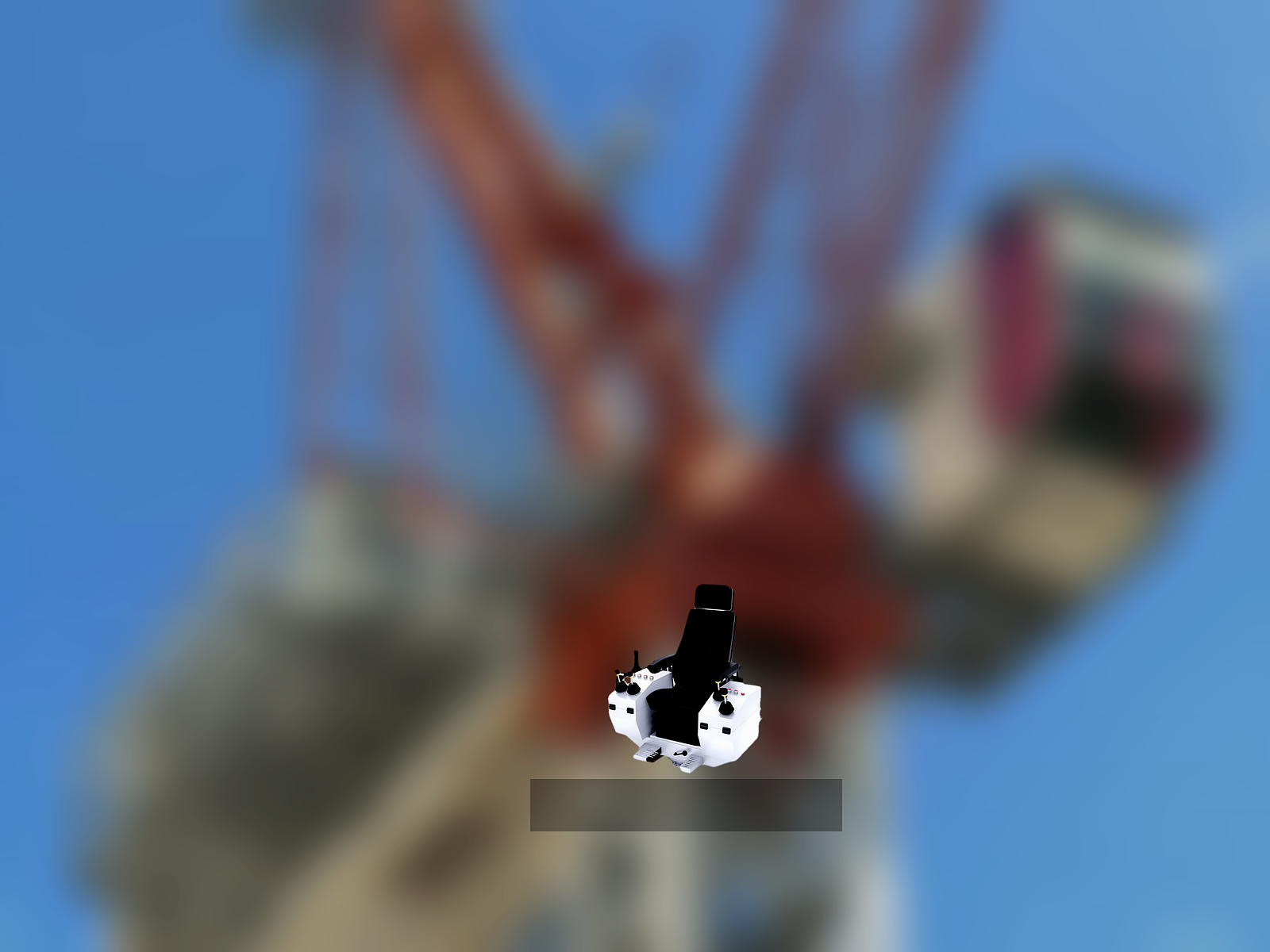
Custom vs catalog operator seat: ten configuration axes
Seat geometry, lateral box depth, inter-box spacing, IP sealing, materials (304 stainless vs RAL paint), VESA patterns, rotation lock, foot rest load, access hardware, and compliance scope — change three or more and catalog swaps defer cost until field failure.
| Path | When it fits | Typical failure if wrong |
|---|---|---|
| Catalog office chair | Single monitor, no lateral boxes, mild environment | Knee strike, slipped rotation, IP audit fail |
| Light customization on EOS/TIA | One to two axes change, standard VESA | Usually manageable with gap record |
| Full first-article program | Three or more axes, vibration or compliance scope | Field retrofit if skipped |
Reference drawings drive inter-box spacing and box depth on integrated builds; no stock chair matches a pulpit where lateral PLC boxes, monitor masts, and rotation locks must survive decades of vibration.
Hidden cost of catalog swaps beside engineered enclosures
Catalog swaps surface knee strikes, slipped rotation locks, failed IP audits, and monitor arms that shake loose within the first maintenance cycle. Gap-record programs front-load findings with numbered traceability before batch release.
Trunsin maps your specification to the minimum configuration depth required — sometimes a lighter customization on proven platforms, sometimes a full first-article program.
When a catalog-like path is reasonable
Standard monitor sizes, mild environments, and flexible compliance may allow lighter customization on proven control console baselines. The decision is environmental load, access policy, and audit targets — not purchase order convenience.
How we validate
Trunsin scores your RFQ against the ten configuration axes, returns a gap analysis before metal is cut, and assigns first-article depth (ergonomics only vs full mechanical + compliance). Configuration depth is documented on the gap record — not implied by a platform name.
Specification checklist
| Item | What to confirm | Evidence |
|---|---|---|
| Configuration depth | Count axes that differ from baseline | 3+ axes — first-article program |
| Reference drawings | Seat-to-box, depth, monitor height | Drives spacing — not chair adjusters |
| Environment | Dust, corrosion, vibration | Material and IP scope |
| Compliance | CE + IEC 60204-1 on assembly [Source: IEC 60204-1] | Assembly-level — not chair-only |
| Evidence | Gap record + batch gate | Before production scale-up |
Frequently asked questions
Is every Trunsin operator seat fully custom?
No — we configure from proven platforms; depth scales with your specification and environment.
What is the fastest path to a quotation?
Send reference drawings, monitor VESA spec, operator brackets, and compliance targets; receive gap analysis before metal is cut.
How do we know if catalog furniture will fail?
If lateral boxes, rotation locks, or IP sealing are in scope, catalog office seating typically fails within the first maintenance cycle — evaluate integration outcomes, not chair aesthetics.
Does custom always mean longer lead time?
First article adds time upfront but prevents field retrofit loops; light customization on EOS/TIA baselines can ship faster when only one or two axes change.
Related resources
- Operator seat upgrade case study
- EOS control console platform
- B2B procurement workflow for operator seats
Start your procurement review
- List configuration axes that differ from a catalog baseline
- Request a gap analysis against EOS or TIA
- Email sales@trunsin.com with reference drawings for first-article scoping